Table of Content
In fact, they go well beyond video communication and collaboration tools — the business world already has adapted these during the pandemic. 83% say remote work enables them to create a better work-life balance, while as much as 79% of them are less stressed working remotely. However, in mid-income countries like India, 18.7% of all jobs are suitable for work from home. World Bank predicts that remote work in low-income countries like Nepal could only be practiced by 14.7% of the workforce because of the nature of the occupation in the country. In high-income countries like the US, 35.5% of all jobs are suitable for work from home, 10x the low-income countries.
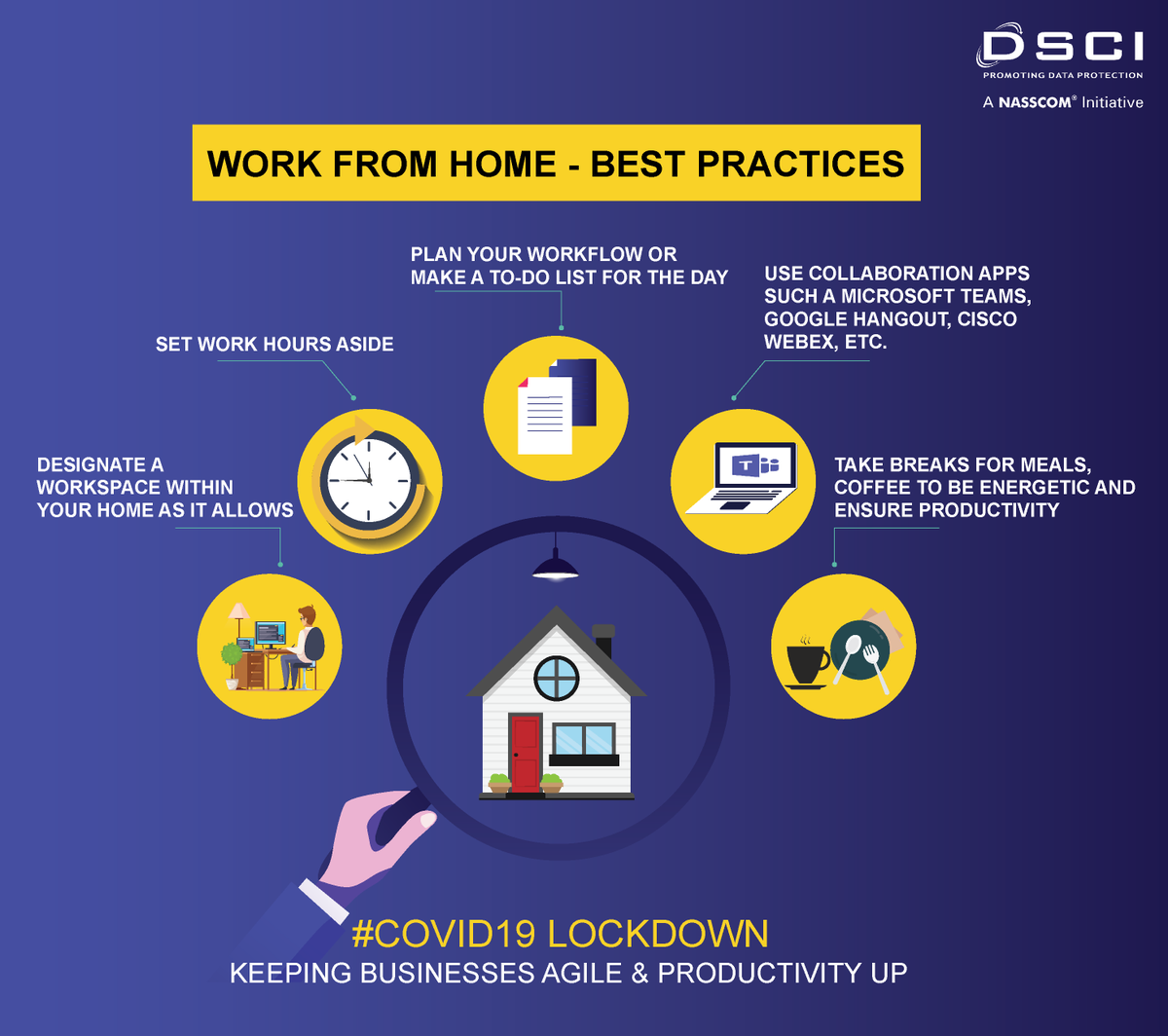
Working from home helps you to control the environment in your way and helps you to get rid of irrelevant gossip. Footnote 4.These analyses use ordered logit models and control for sex, age, education, marital status, presence of children, region, dwelling status, industry, firm size, and union status. In contrast, several of the differences shown in Table 1 (e.g., between renters and individuals living in an owned dwelling) are no longer statistically significant in multivariate analyses.
Software That Makes Running a Business Easier
Almost 30% of organizations in the UK introduced resources to support their employee’s mental and physical well-being when working from home. A 2021 survey found loneliness the biggest fear among younger employees when working from home. About 81% of these employees said that completing office time will make them more isolated. The work-from-home model became instantly popular in the UK workforce just as the pandemic started.

Are you curious about how productive you are or the productivity of your employees? If that’s the case, accurate statistics will be required to help you analyze your efforts. If your organization employs an entirely remote staff, it can typically fill roles 33% faster than the competition. This impacts team productivity because you’ll be stuck with unfilled roles for much shorter periods, spending far more time at peak collaboration and productivity.
82 percent of telecommuters report lower stress.
However, 28.9% of employees reported doing more work when working from home, while 30.2% said their productivity had decreased. Post-pandemic, workers in the UK go to the office only 1.4 days per week on average. The governmental statistics collected in 2021 went in favor of the hybrid model. With a massive majority of 85%, home-working employees wanted to shift to the hybrid approach.

Since 2000, the number of people working from home has increased by almost 4 million. 63% of high-revenue-growth companies enable hybrid work from home models. Several factors are different in a home setting, and these could be the reasons some workers are more productive at home. This is why many companies are now embracing a hybrid work model.
What Is Flexible Working?
65% of teleworkers view video conferencing and instant messaging platforms as a good substitute for in-person contact, whereas 35% do not feel this way. Despite these higher numbers, it’s essential to point out that only 65% of Americans have a fast enough internet connection to support workable video calls. 35% have a poor internet connection , which prevents effective remote working. 81% of adults who work from home use video conferencing software at least some of the time to communicate with co-workers, while 59% use this software often. 57% also use instant messaging platforms some of the time, with 43% using them often.
Staff working from home to any degree put in more hours per average week (32.3) than those who never worked from home (27.7). The answer, of course, will vary greatly from company to company - but whichever boat you find yourself in going forward, the following 35 working from home productivity statistics make for interesting reading. Within thousands of small-to-medium enterprises , this extremely challenging time has also functioned as a valuable experiment in the feasibility of employee home-working - an enforced proof-of-concept, in a sense. For many, the results are now raising various interesting and urgent questions about what the office of the future might look like. After following both work-from-home and call center employees for 9 months, they discovered that working from home boosted the performance metrics by a combined 13%. Dream Maker works with both individuals and company owners.
Employers lose $1.8 trillion a year due to lack of employee engagement.
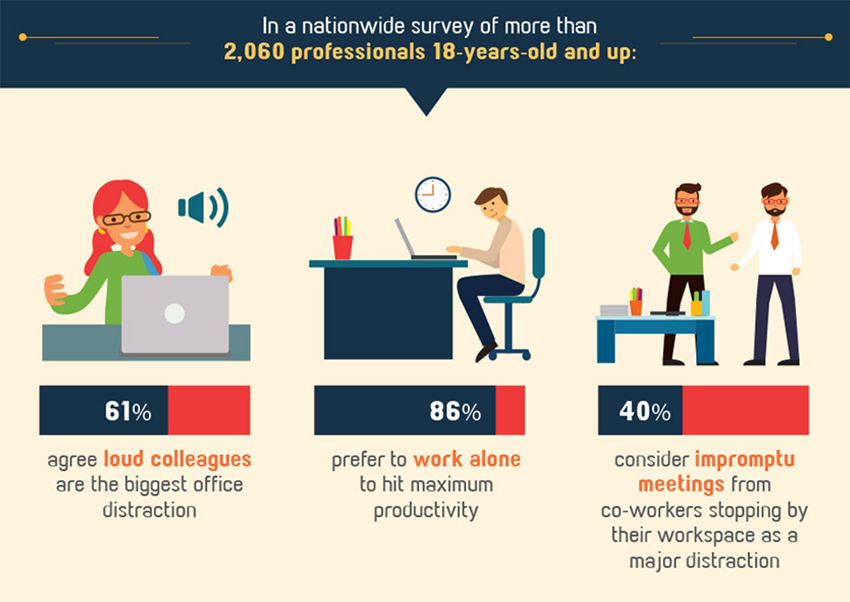
Working alone means you don’t have to deal with impromptu interruptions or distractions from other people, so it makes sense that they see a boost in production. You won’t have to put up with daily traffic jams, and you might get to spend more time with your family. If you want, you can wear pajama pants, or no pants at all, and nobody can stop you. Overall, though, the statistics show that working from home is more productive and often more beneficial than working in an office.
There’s also likely to be 78 million global gig workers by 2023 (+81.4% since 2018). China’s use of digital payment systems is widespread thanks to apps such as Weixin/WeChat. However, it does not rank as highly on the resilience of its internet infrastructure and the robustness of digital platforms. This is likely because a substantial percentage of China’s population lives in rural, lower-income regions.
Specifically, 28% of employees said they would take a 10% or 20% cut in pay to have more flexibility regarding work remotely. 21% are willing to forfeit vacation time, while 17% said they would give up employer-matching retirement contributions. While only 65% of Americans have a fast enough internet connection to support workable video calls, most remote employees successfully utilize video conferencing and other technology to work effectively.
That led employers to report a willingness to continue work-from-home after the pandemic. Some might feel worried that these productivity gains are limited to the context of the pandemic. Most employees prefer hybrid or remote work, but companies are wary of the cost to effectiveness. If you own your business and currently lease an office, you should tally up the expenses you’d save by going fully remote.
Set up clear communication channels and expectations, and be proactive about using them so that your employees get comfortable using them as well. This allows you to get a better handle on what everyone’s working on than you’d have if you only talked to your team once a week. In fact, 1/2 individuals reported feeling lonely at least once per week, and 70% felt left out of their workplace. Having an appropriate workspace and exercising can be a real struggle for work-from-home employees. 25% say that they don’t have a proper workspace, which can hinder posture and productivity.
In fact, many are willing to forego benefits like higher pay, vacation time, and employer-matching retirement contributions just to work remotely. Employers should encourage their remote team to write down tasks for every working hour. They could use a digital to-do list, Google Docs, or a physical day planner. Now let’s look at some things employers could suggest to their remote employees to become more efficient and productive. The widespread acceptance and use of remote work technology have significantly boosted employee and team productivity. The “State Of Remote Work 2021” study by Buffer found that 94% of the employees working remotely during the pandemic would like to continue working remotely for the rest of their careers.


No comments:
Post a Comment