Table of Content
- Remote workers spend more time working and less time being distracted
- The Future of Working From Home
- Companies with fully remote workforces hire 33 percent faster.
- What Cars Have V12 Engines? 10 Car Models
- A Hybrid-First Model of Work-From-Home Productivity
- Other Benefits of Working From Home
- Productivity of remote employees can increase by as much 45%
They’ve experienced firsthand the fact that they don’t need to be in the workplace all the time. And the recent ‘’Great Resignation’’ trend has shown that employees are no longer ready to compromise on their work-life balance. Millions of workers are now expecting companies to be flexible, given that technology allows them to work from anywhere. Owl Lab’s remote work trends best explain the reason for lack of sleep and less sleep satisfaction; for instance, 30% of men and 21% of women reported working two more hours per day.
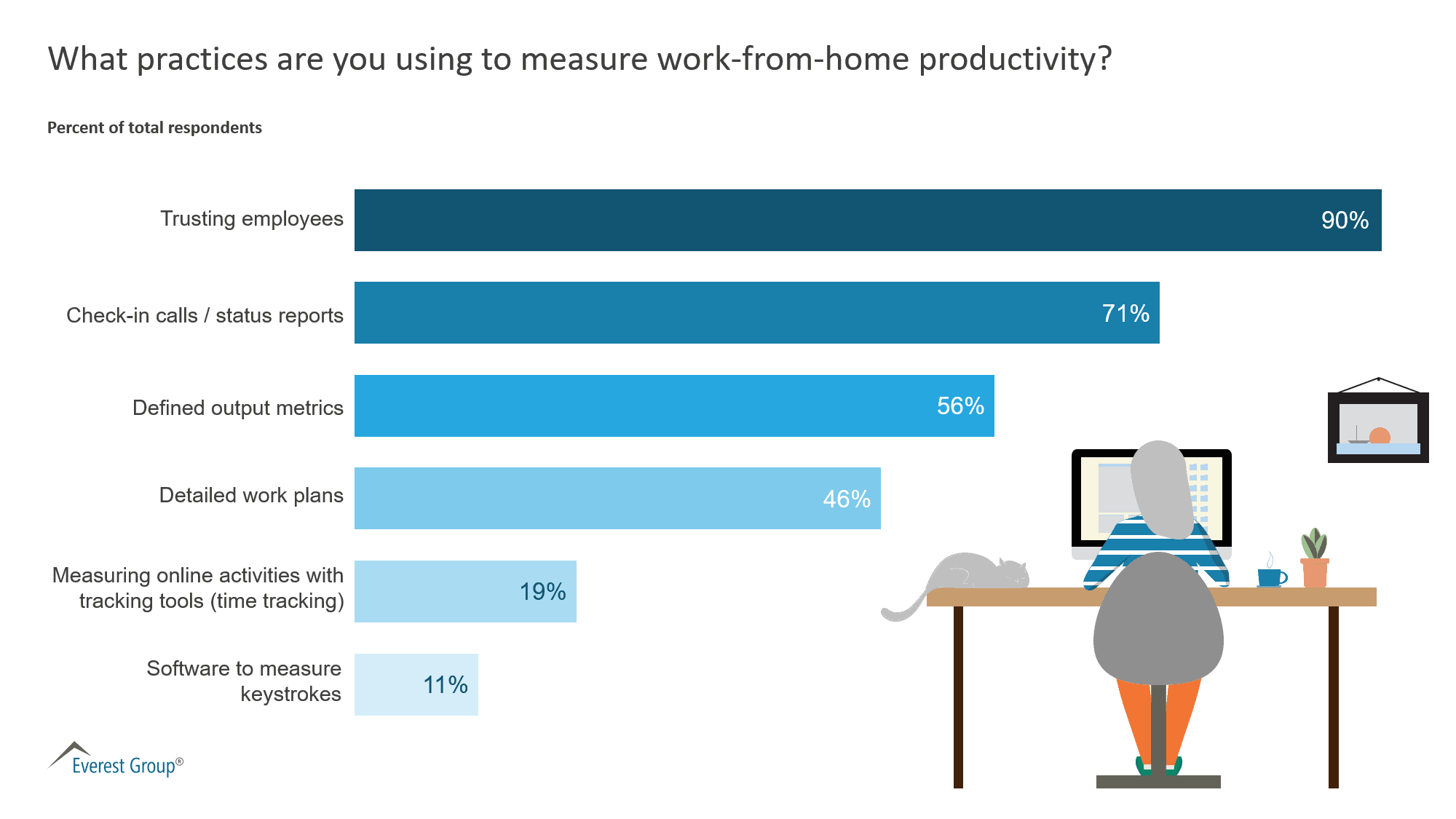
Academics demonstrated a further increase in productivity in remote work throughout the pandemic. The same survey showed that remote workers are 52 percent less likely to take time off work. This is likely due to the fact that working never seems as bad when you can roll out of bed and get to the job, rather than facing the doldrums of traffic and sterile office environments. Finally, using a project or time-tracking program can be an effective way to measure remote employees’ productivity. Using it to micro-manage or watch them won’t help, but providing practical tools that allow the whole team to see a project’s progress and individuals to track their tasks can be valuable to everyone. This is still small compared to the 44% of companies that don’t allow remote work.
Remote workers spend more time working and less time being distracted
This is widely attributed to workers’ enjoying the flexibility and creativity that comes from working from home. This includes things like laptops, printers, fax machines, and more. Plus, 20% of remote employees also report having no access to sensitive company documents.
Therefore data on working from home productivity statistics are somewhat limited. Nearly half of the employees felt optimistic about working from home just as the government imposed the lockdown in 2020. However, 5% of the survey respondents had negative perceptions about the work-from-home model. Remote work is somewhat new for most employers, and it’s the reason why there are so many controversies.
The Future of Working From Home
Between April 2019 and March 2020, work from home productivity shot up 47%. Ever since more employees have started to work from home, there’s been a considerable increase in productivity. Of those who didn’t work from home before the pandemic, 65% say they now feel less connected to their co-workers. 38% of new teleworkers say it’s easier now to balance work with family responsibilities than before the coronavirus outbreak. However, this number drops to 10% among those who worked from home before the outbreak. Many teleworkers now find it easier to balance work/family life, although many feel less connected to their co-workers.
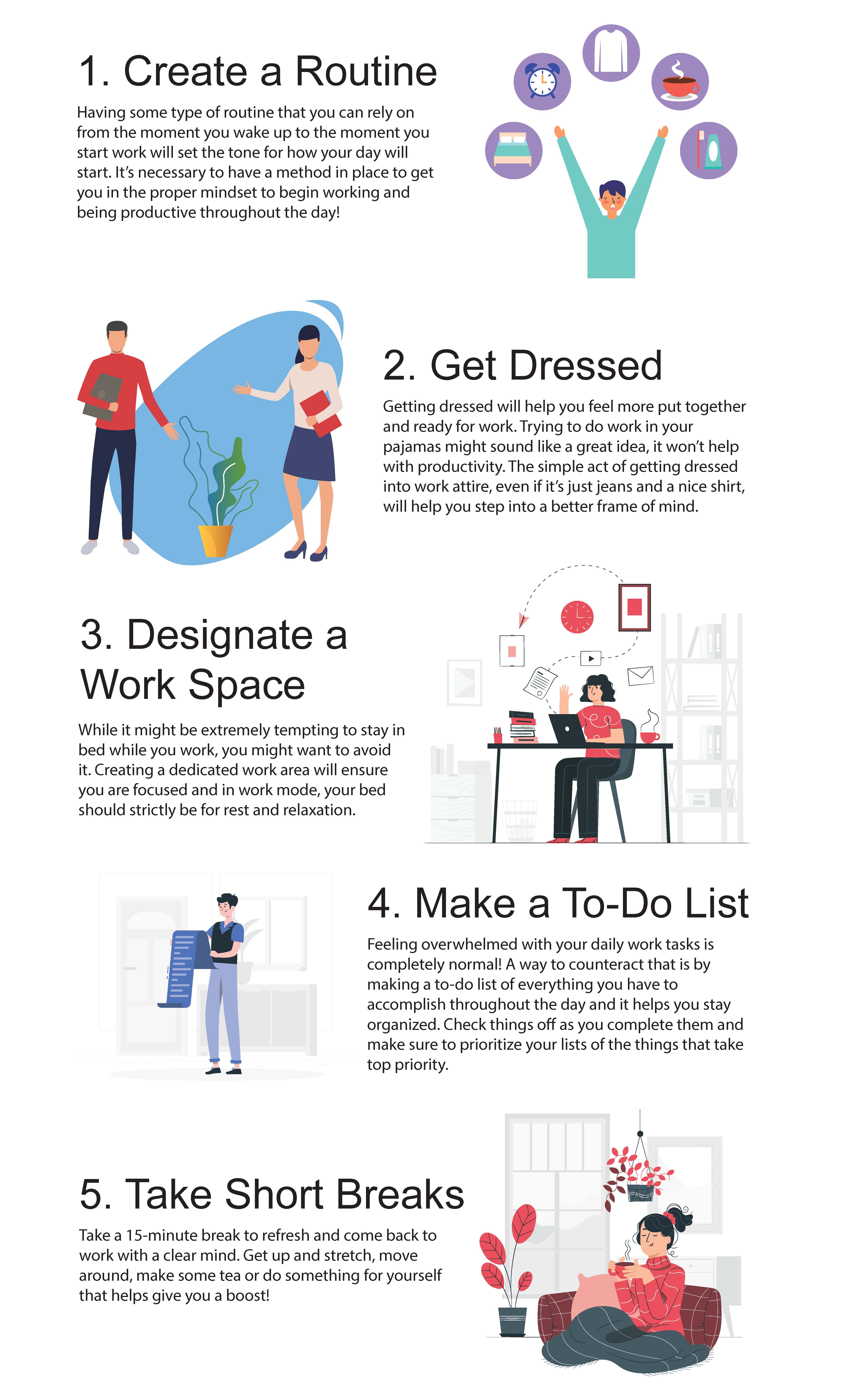
In total, more people work from home at least occasionally than those who don’t at all. When working from home, people can control the environment they work in and focus on the task at hand without being interrupted or distracted. What’s more, trying to concentrate hard with loud background noise tires the brain out quicker, reducing productivity over time. Studies have shown that employees who can work from home tend to be more loyal and want to demonstrate their effectiveness more than when working on-site.
Companies with fully remote workforces hire 33 percent faster.
Singaporean employees are cautious about returning to the workplace, with most citing the risks of taking public transport, exposure to the virus, and having to wear a mask in the office. In Indonesia, 40% worked entirely from home during the pandemic. Young tech-savvy professionals, in particular, preferred to return to their hometowns and work remotely instead of living in big cities.
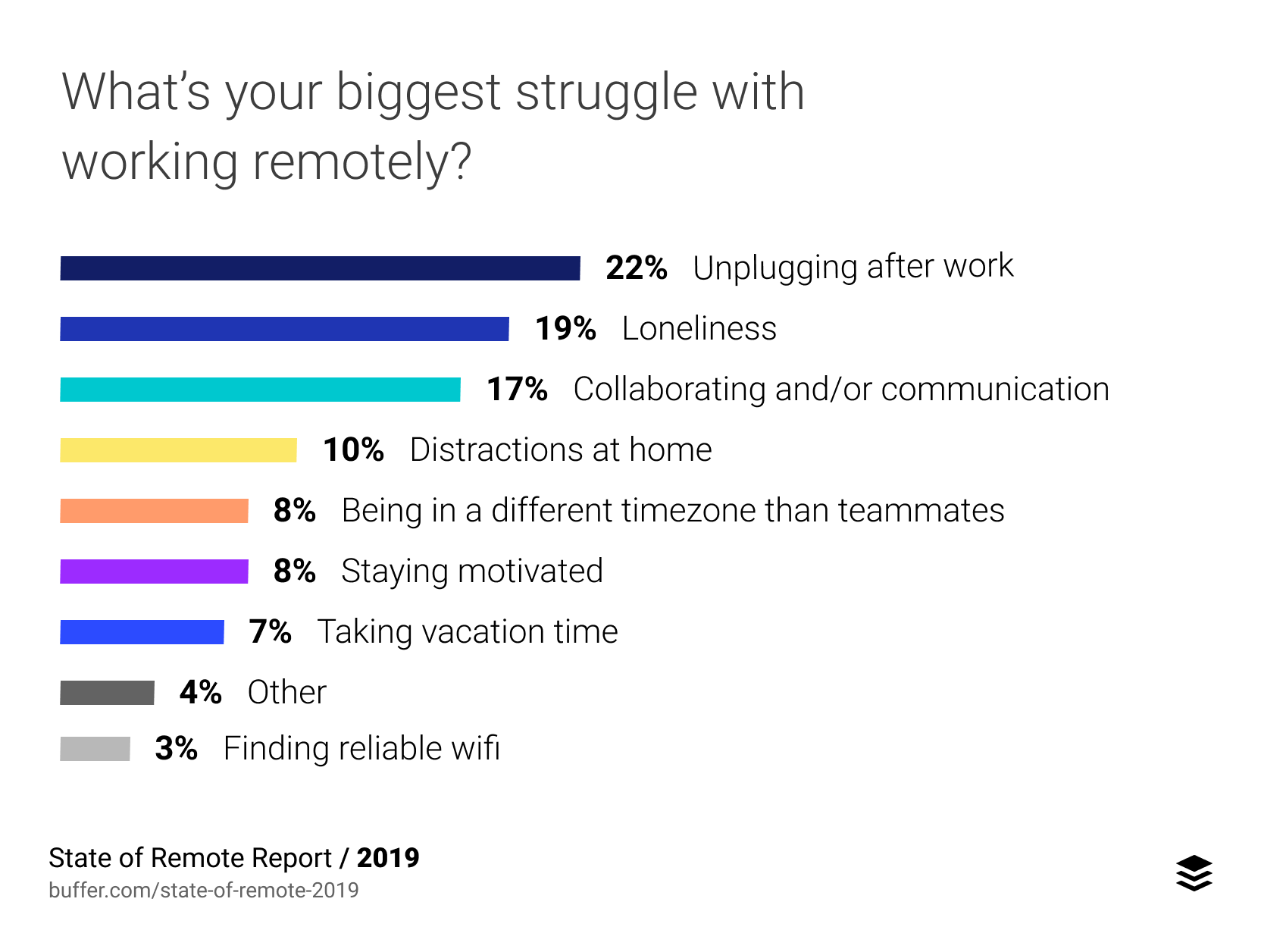
Providing easy access to fruit and water can be a great way to encourage office workers to eat more healthily and help them perform better. Stress prevents employees from fully focusing on the task at hand. Worries take over the mind leading workers to think about the cause of their worries instead of concentrating on work. What’s more, stress generates anxiety, reducing workers’ ability to register and process information, remember things and find the motivation to tackle new challenges.
What Cars Have V12 Engines? 10 Car Models
Only 13% of workers go to the office on Fridays, while the rest prefer working from home. The future of work-from-home is likely to be the hybrid model. With almost 60% of employees preferring the model over completing work from home, the UK will show more adaptability to hybrid modeling.
After all, it can be difficult to separate work from the family in your own home. Most of these numbers come from commuting, as 86% of American commuters rely on private transportation, and transportation accounts for 29% of greenhouse gas emissions in the U.S. Experts predict that there will be 36.2 million Americans working remotely by 2025. Create a comfortable workspace.Working in an office caters to keeping you focused and on track. Try to recreate this working space in your home, whether it’s turning an extra room into your office or putting a desk behind the couch.
There’s also likely to be 78 million global gig workers by 2023 (+81.4% since 2018). China’s use of digital payment systems is widespread thanks to apps such as Weixin/WeChat. However, it does not rank as highly on the resilience of its internet infrastructure and the robustness of digital platforms. This is likely because a substantial percentage of China’s population lives in rural, lower-income regions.

They were also found to be working more minutes and doing more work every minute. This is the biggest study ever done on home-working and its productivity, and it generated an eye-opening result for everyone. People have shared their opinions too, saying that the home environment helps home-based working people to perform better.


No comments:
Post a Comment